
Bedlam Point to Tarban Bay
June 8, 2019
Based on the number of lunatic asylums, colonial Sydney was a pretty tough place in which to stay sane. But you’ve got to say that the early builders picked some picturesque locations in which to incarcerate society’s unstable outcasts, perhaps in the hope that it would ease their suffering somewhat.
Our walk starts at the appropriately-named Bedlam Point in Gladesville, one of the narrower stretches of the inner harbour, and the site of a cable-driven punt across to Abbotsford from 1832 to the 1860s. Apparently there is no connection between the name and the establishment of Tarban Creek Lunatic Asylum (now Gladesville Mental Hospital) there in 1838.

The 1830s is also when Rockend was built, a sandstone cottage now operated as a restaurant, which was once occupied by Banjo Paterson, one of Australia’s greatest bush poets. So much history, and we’re still at the starting point!
We head straight to the point and into the bush along the foreshore. It’s a little damp from the overnight dew and a bit slippery underfoot – there’s an easier path directly into the hospital grounds, but this way is far more interesting.
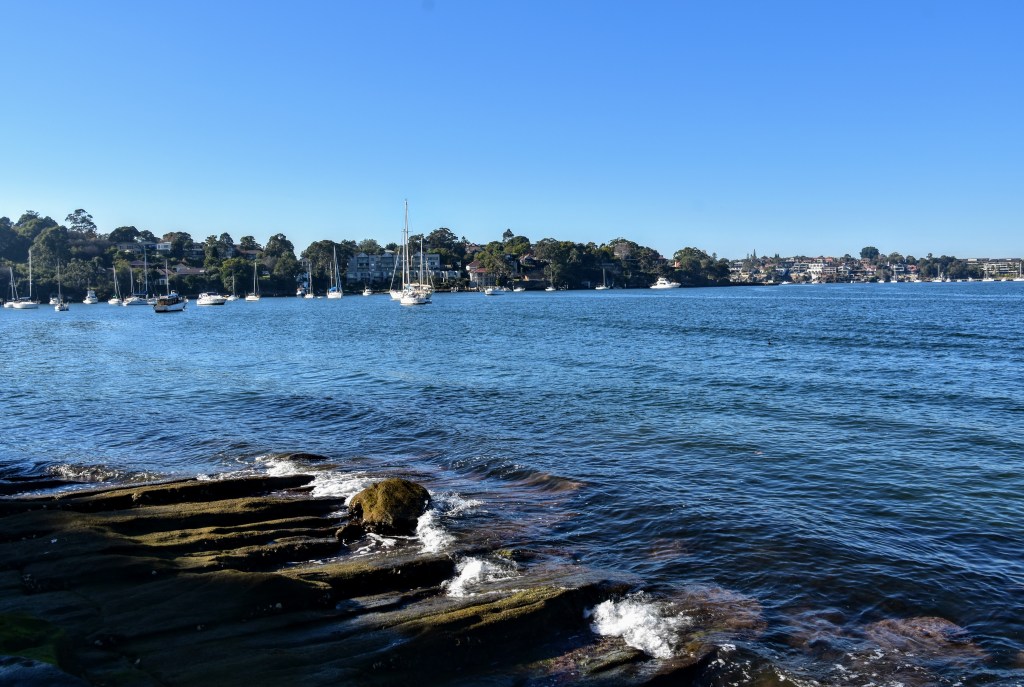
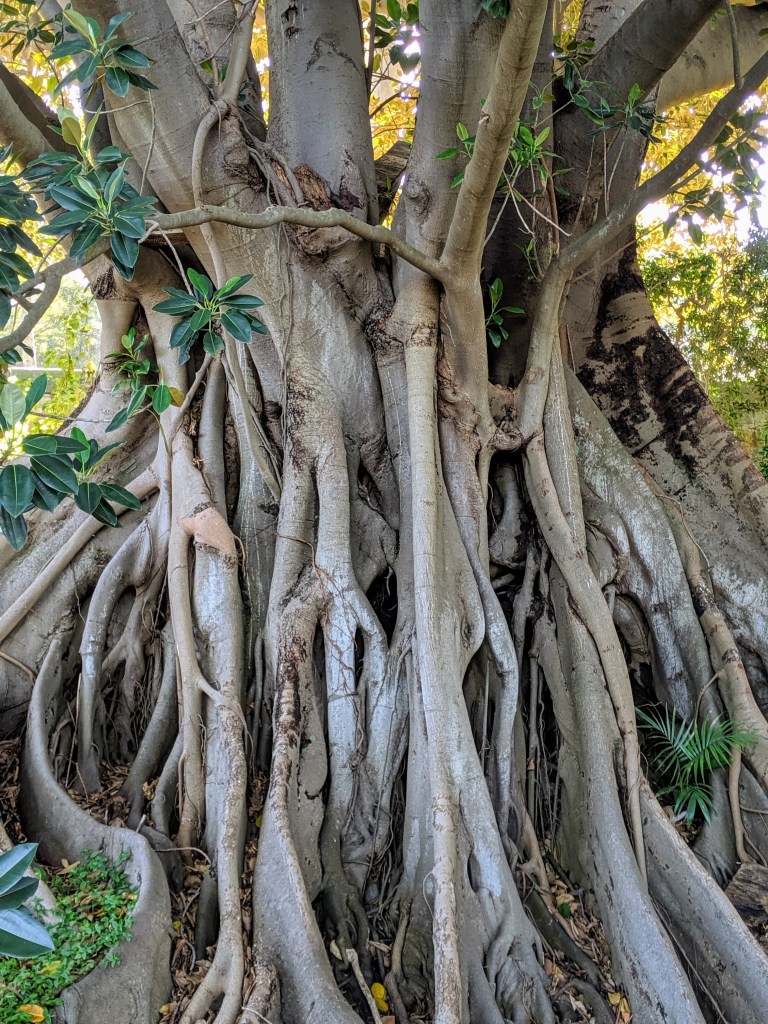
There are plenty of information boards along the way, and some great views across the harbour. The bush is a mix of native vegetation, bamboo and trees planted by some of the hospital’s original inhabitants, and some suburban garden escapees – hardly pristine bushland, but certainly eclectic.
After detouring via a tiny beach where you could imagine spending a summer’s day with a picnic and a book, we head back along the metal walkways and stone steps to enter a sculpted amphitheatre with a sports oval in the centre – in some positions, it could be hard to focus on the game, given the outstanding harbour views.
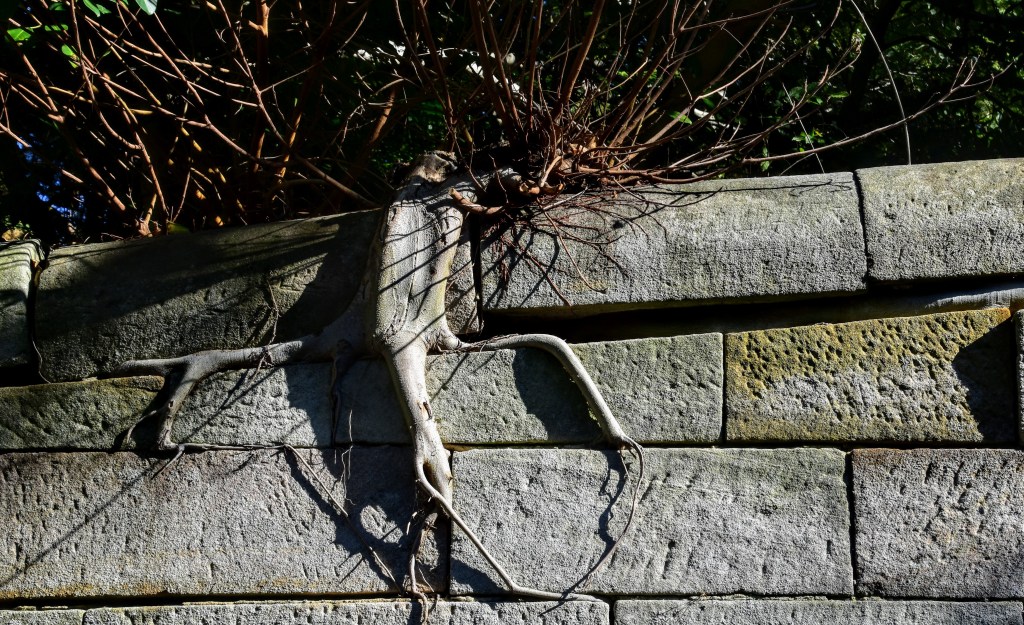
We head up into the hospital proper (it was decommissioned in the 1990s and is now home to various health department agencies and services). All around are sandstone walls, pavings and buildings. The architecture is standard government-issue of the era, but the Sydney sandstone blocks bear the allure of their age, bordered by patinaed copper gutters and fittings.
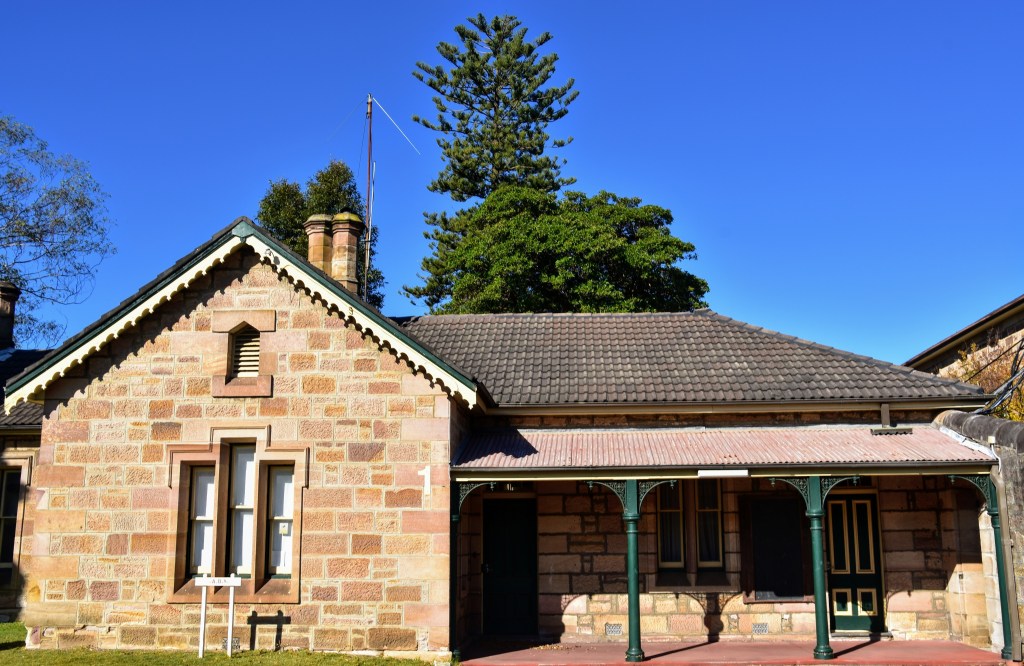
Brick buildings have been added during the first half of the 20th century, and these add character to the site. Additions made in the 1960s and 1970s unfortunately detract from the character of the original buildings, some of which are under restoration.
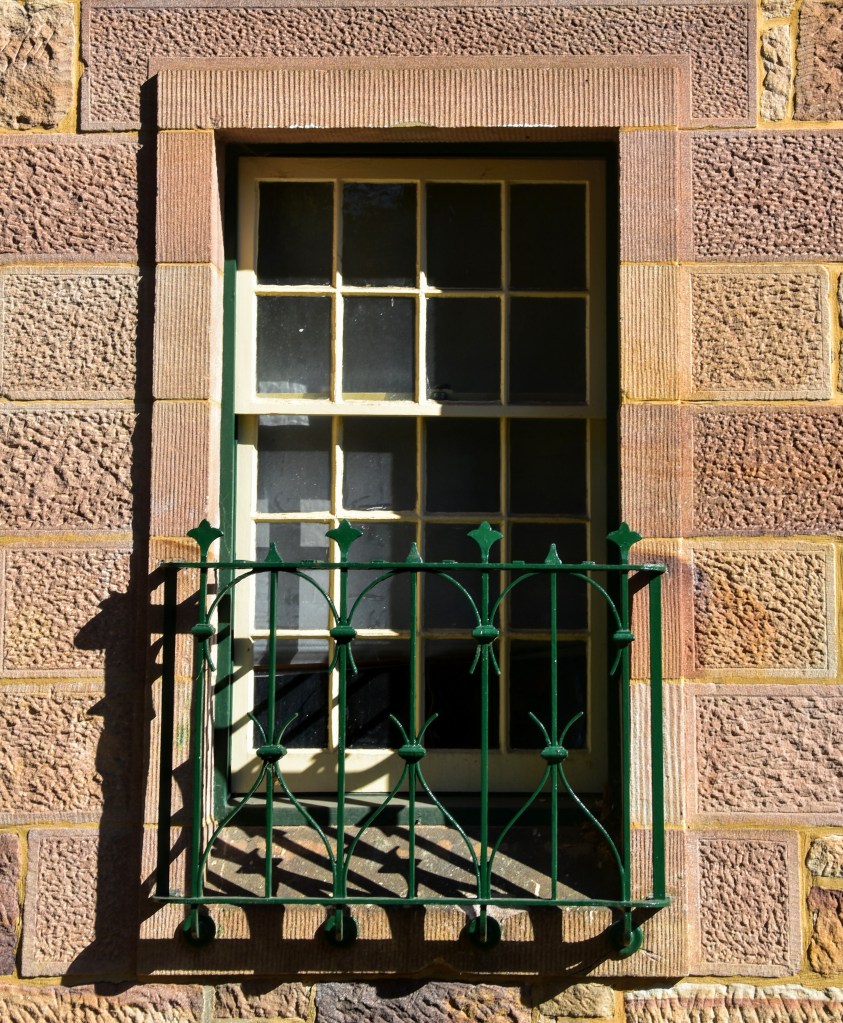
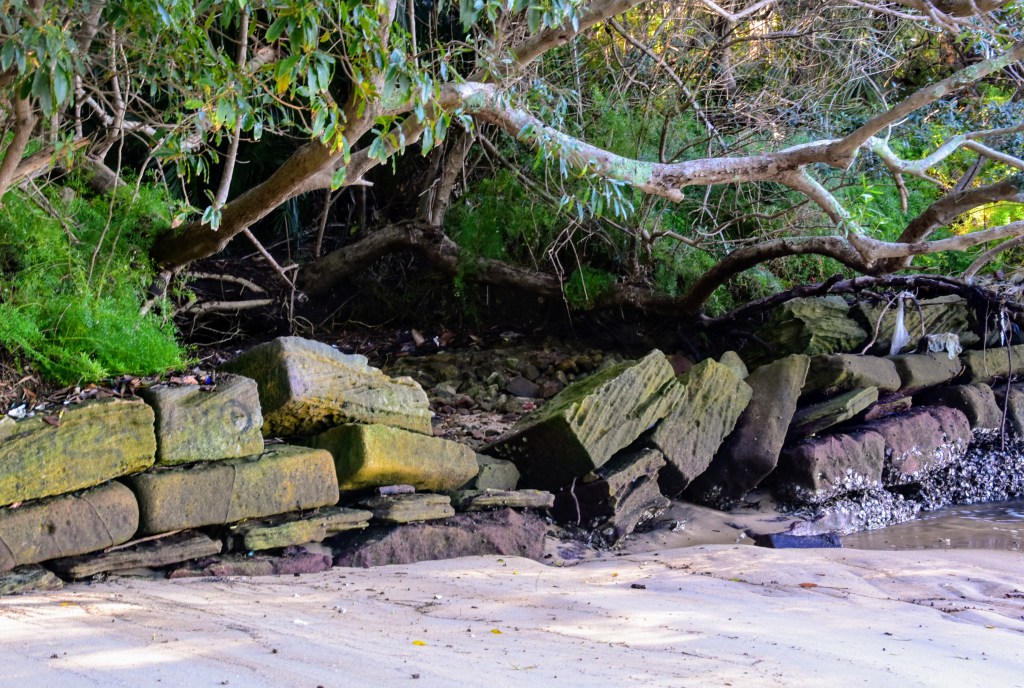
We head back to the foreshore to see if there is waterside track to Henley. There isn’t, so after walking across another small beach, we follow a rough track back up along the border wall.
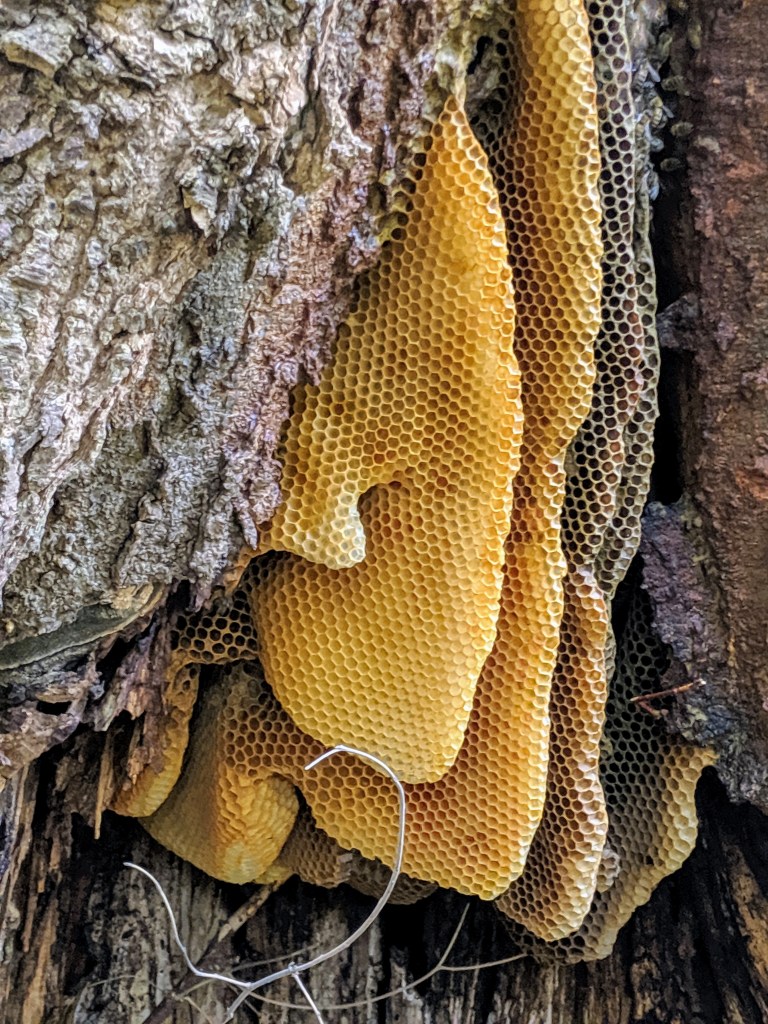
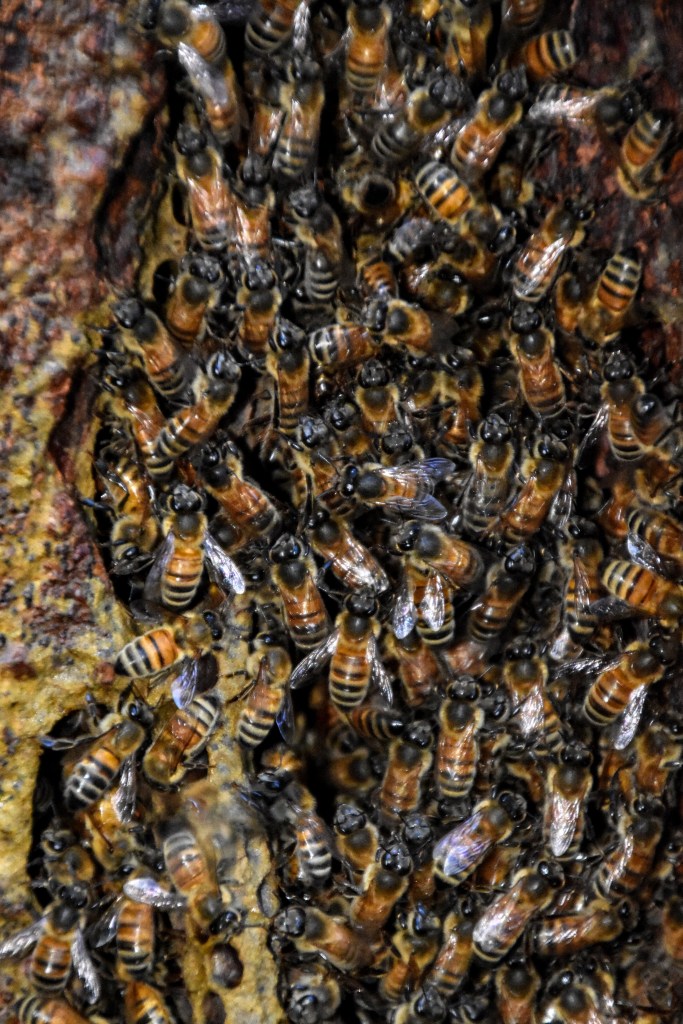
This serendipitously leads to the discovery of a beehive nestled in a split in a eucalypt trunk, complete with exposed honeycomb and hundreds of bees.

Eventually, we emerge from the bush pretty much where we left from, and head out through the main gate to continue our journey, which takes us across an historic cemetery, where the bodies of about 1,200 unnamed patients are buried.
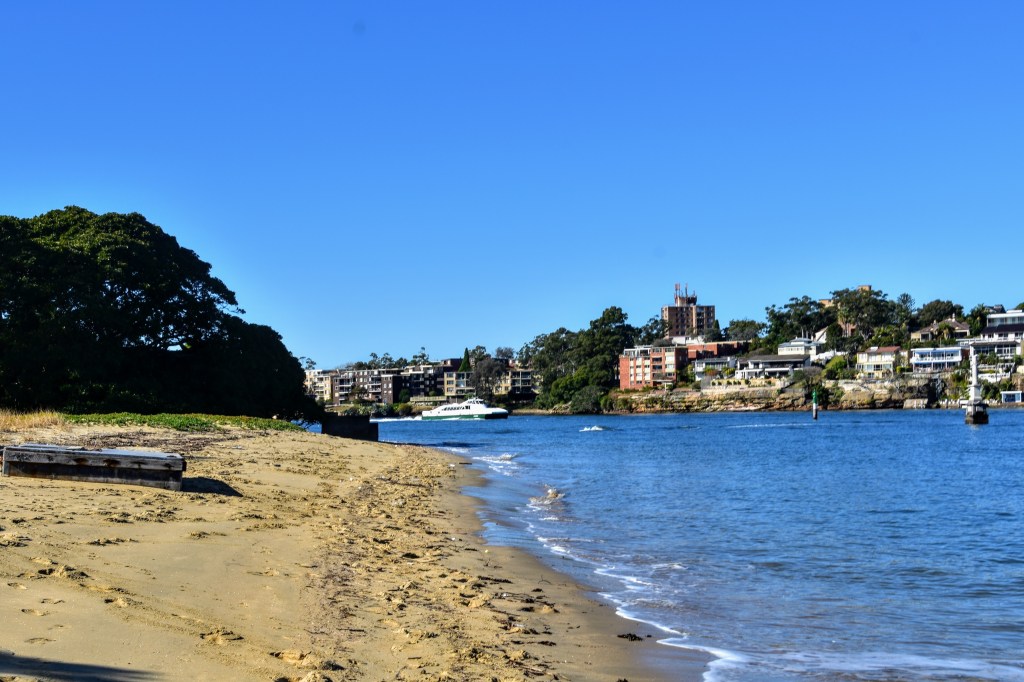
We head down Crown St, divert into Dick St, and arrive at what I like to call the “secret” beach. It is of course no secret – it’s visible from every passing ferry and yacht – but it’s a fairly expansive stretch of sand only a couple of kilometres from the heart of a major city, and I’ve never seen more than a couple of people on it. There are some very fortunate (wealthy) folks who enjoy absolute access, but it is a public beach. It is overlooked by Burnham Castle, a quixotic building which presumably occupied much of the land around once, but which only came to attention after a unfortunate murder a few years ago.
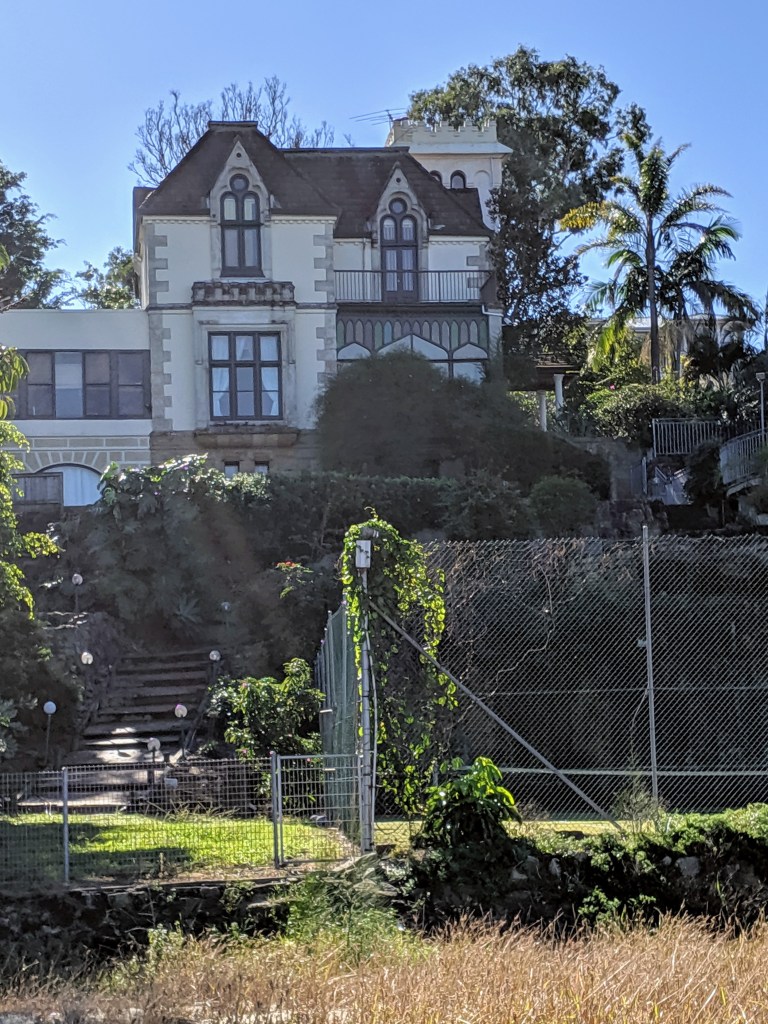
Having lost a little time through our peregrinations, we head back to the streets, skirting the back of Gladesville Reserve to reach the ferry wharf at Huntley’s Point. Our path takes us around the point and under the arch of the Gladesville Bridge, all the while admiring the grand houses which would have once enjoyed outstanding harbour views (and still do, just slightly interrupted).
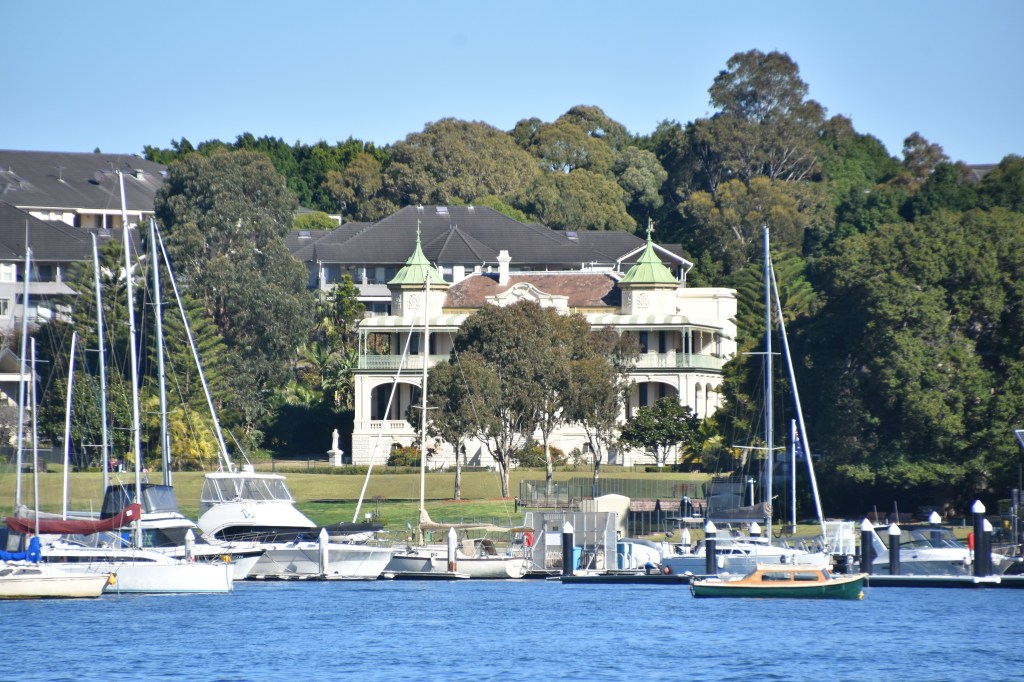
Walking under the Tarban Creek Bridge, we’re in a little-known part of Sydney, though it’s travelled over by thousands every day as they head to and from the city. It’s a pretty, quiet spot, characterised by more of Sydney’s under-utilised pleasure craft sitting at anchorage. Oh, and great views.
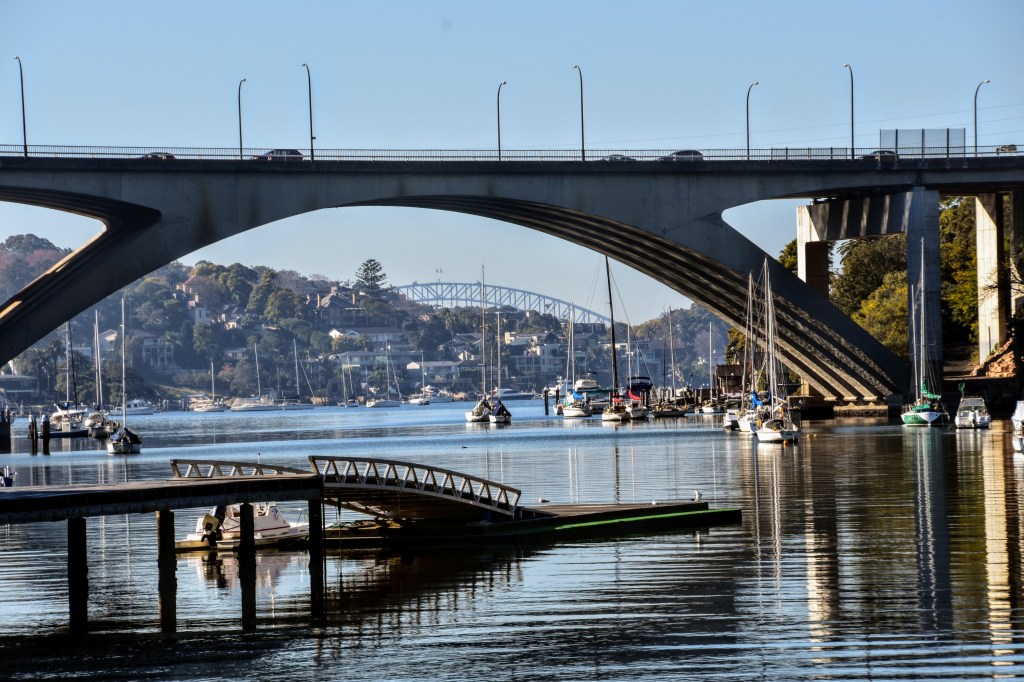

The path follows the shoreline around the Riverglade Reserve and continues back into the heart of Gladesville. We choose to end here, crossing the footbridge back into Hunter’s Hill. Having strategically placed a vehicle here earlier, we head back to the Bayview Hotel in Gladesville for lunch and a couple of well-earned beers to discuss and dissect our trip through another interesting part of Sydney’s colonial harbourside history.
 On The Emerald Edge
Leave a comment