The Spit, Mosman to Kirribilli
September 27, 2019
The Spit Bridge is an unofficial barrier between the northern suburbs and the northern beaches, a subtle division only appreciated by Sydneysiders. It’s not a border between the haves and the have-nots, more a separation between the haves with harbour access and the haves who prefer the ocean swells.
But in the usual egalitarian Sydney way, The Spit is a gateway to Sydney Harbour open to anyone. Basically one large marina, it offers access to Middle Harbour to the east and the north-west, and is the starting point for the famous Spit to Manly walk.
It’s also a great starting point for a walk in the opposite direction. Head up Parriwi Rd and the traffic noise from Spit Rd drops away quickly, while panoramas across the harbour to the east start to unfold.
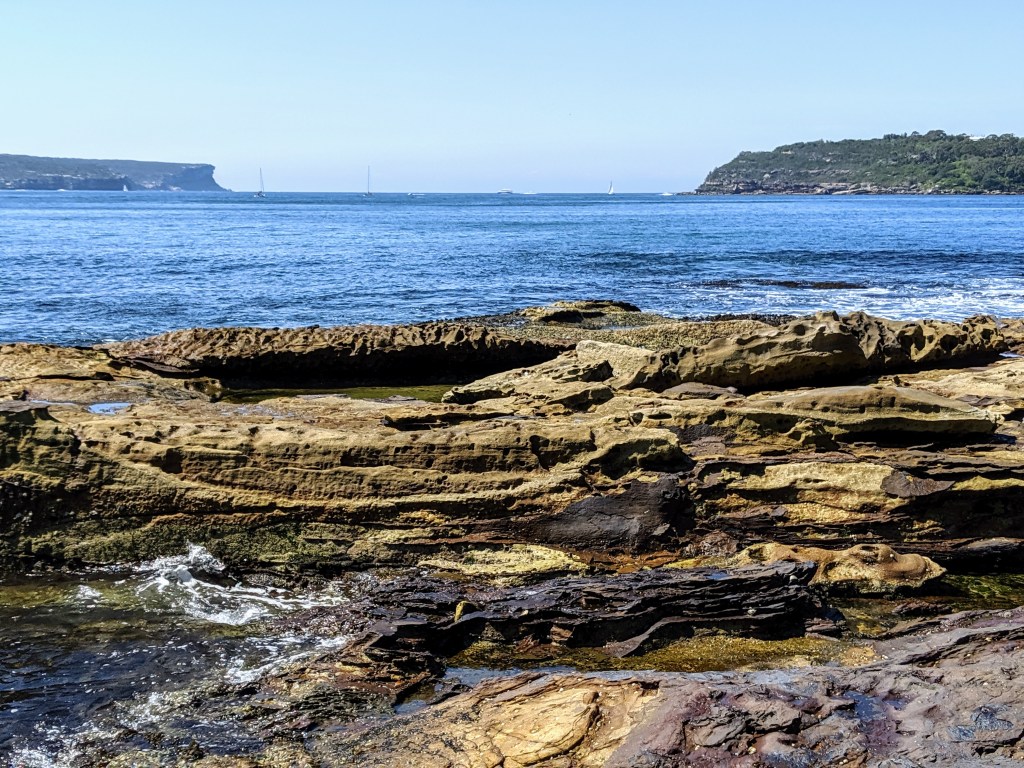
It’s not long before I come across Parriwi Lighthouse, from which a steep track descends to the shoreline, snaking its way between some of the city’s most expensive real estate. The tide is low, so I’m able to make my way away around the rocks to Chinamans Beach, surely one of Sydney’s unsung secrets. There are maybe a dozen people on the beach, most of them mothers with young children.

After checking the conditions with a local, I venture around Wyargine Point towards Balmoral Beach. The tide is fairly low, so much of the rock platform is exposed. There is a track of sorts, in parts, but at times I find myself traversing a narrow ledge which borders the sandstone property walls.

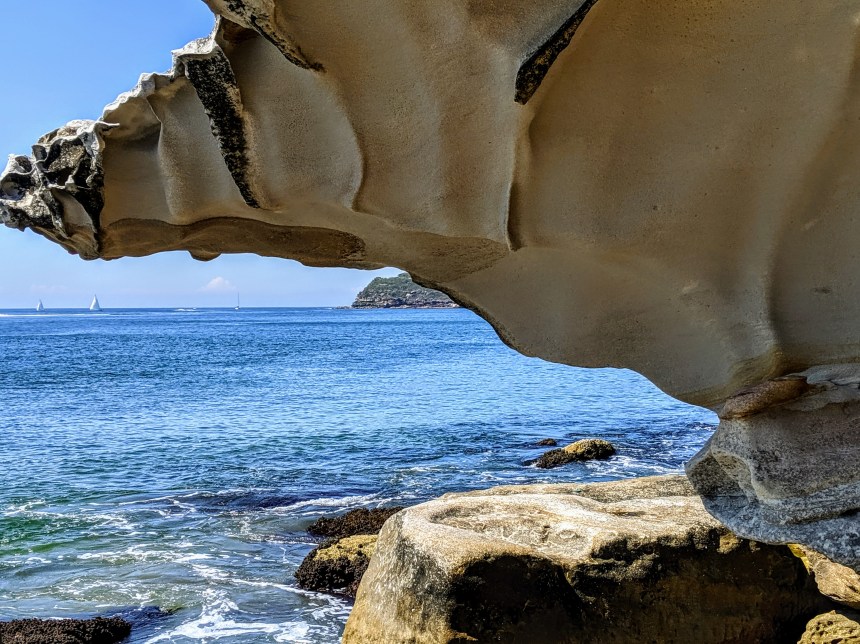
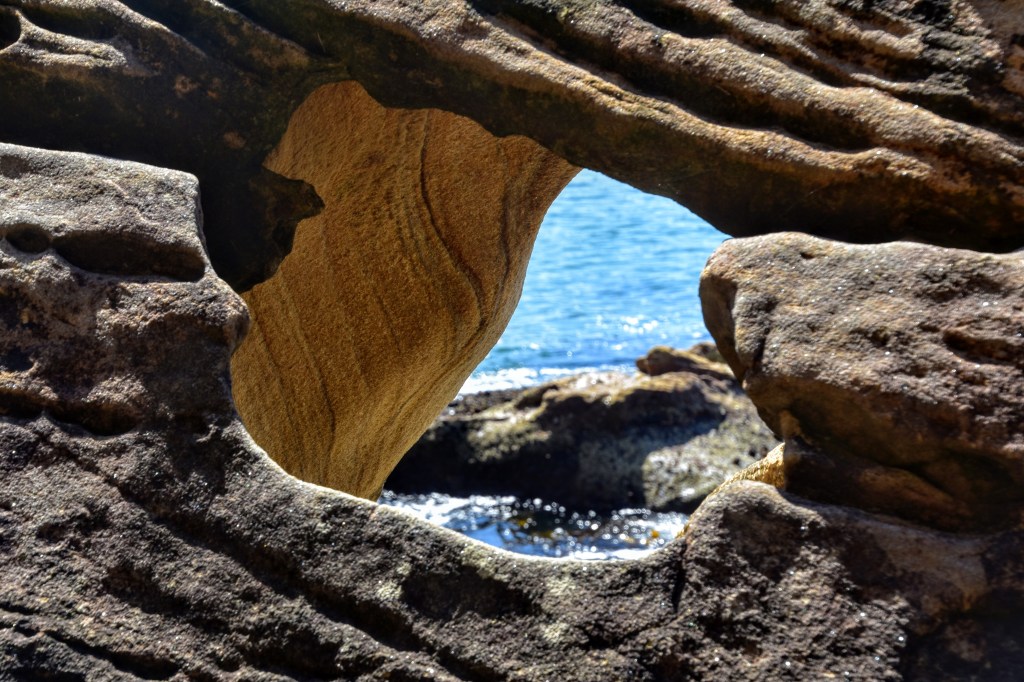
At other times, I’m forced to recall some long-forgotten bouldering moves as I pull myself over wind-sculpted sandstone outcrops, negotiate some narrow passages and waddle under overhangs. Boulders of various sizes scatter the shore in many places, so rock-hopping is the order of the day. At dead low tide it would probably be easier, but – as much as I loved it – I’d caution against this route unless you have reasonable agility.
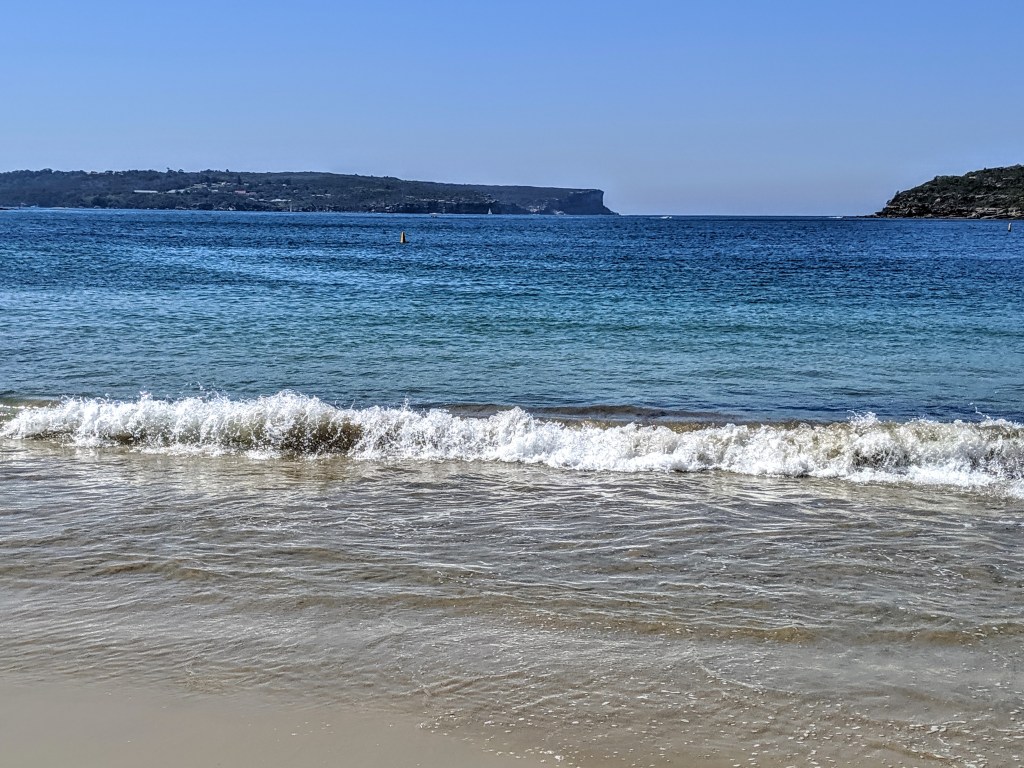
The “quiet end” of Balmoral Beach is well – quiet – frequented mostly by older locals and mothers with toddlers playing in the shallow waves. Rocky Point Island provides an awesome view through the heads, but once past there it gets pretty busy, with adults, kids and teenagers covering the sands and grass under the fig trees.
Heading across Balmoral Park (home to some very good times in my teenage years best left undescribed here), I pick up the track which leads up to Middle Head. There are steps – lots of them – but the ascent up the timber and steel walkway is gradual, surrounded on both sides by a forest the local council is trying to protect from die-back.

There is a newish-looking walking trail alongside Middle Head Rd. The acacias and hakeas are in flower, and the whip-birds and kookaburras are in song, which makes for pleasant, easy progress. Eventually, the track meets the road again, which heads north-east towards Middle Head.
Middle Head has been an important military position from the early days of the colony in the late 1770s (check) right through to post World War II. The headland is riddled with old gun emplacements, tunnels, arsenals and lookouts, and remains home to many historical buildings.
It’s worth a few hours exploring in itself, which I don’t have time for today, so I do a u-turn into Chowder Bay Rd then head out to the Georges Head 1801 battery, which commands brilliant views across to the eastern suburbs. I retrace my steps to the road, which I follow until I see the track marker for Obelisk Beach.
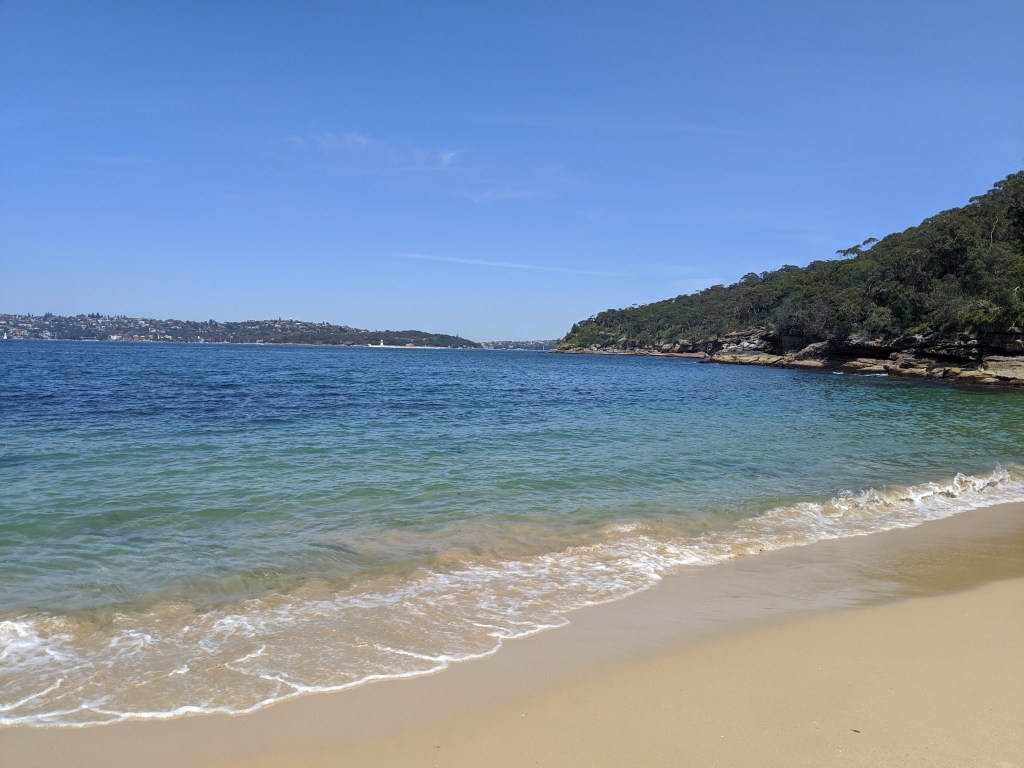
Nudity is optional on Obelisk Beach – be warned – but it’s not compulsory. It’s a fairly short but steep track down to the beach, so-named because it’s the location of one of the obelisk markers which guide ships into Sydney Harbour. The displays of pale male flesh aside, it’s worth the detour to catch some outstanding views down the harbour, and it would be a great spot for a dip if you have time.
Unfortunately, I have to follow the road from here, but there’s little traffic apart from the occasional cyclist. A track heads off via the Beehive Casemates (more military installations) then rejoins the road before heading into Chowder Bay.
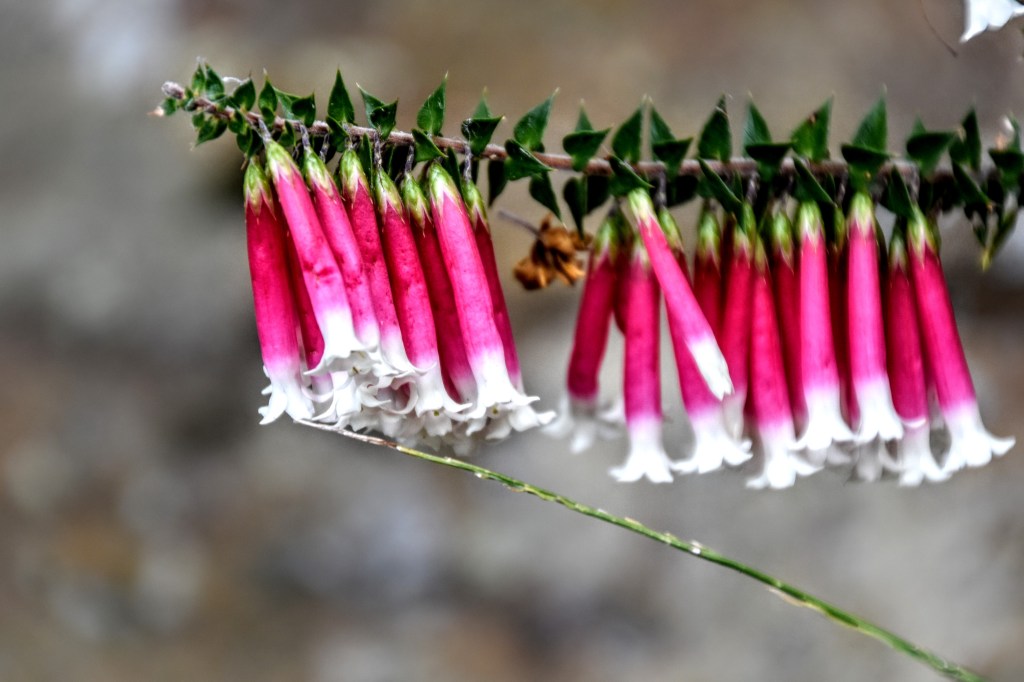
Here lies another of the beautiful well-known secrets of Sydney Harbour – Clifton Gardens. This is a picturesque mecca for picnickers, swimmers, snorkelers, small boat enthusiasts and many others, and I wonder why I haven’t visited for a couple of decades. It’s quiet today, but I expect you’d need to stake your claim early on a summer weekend.
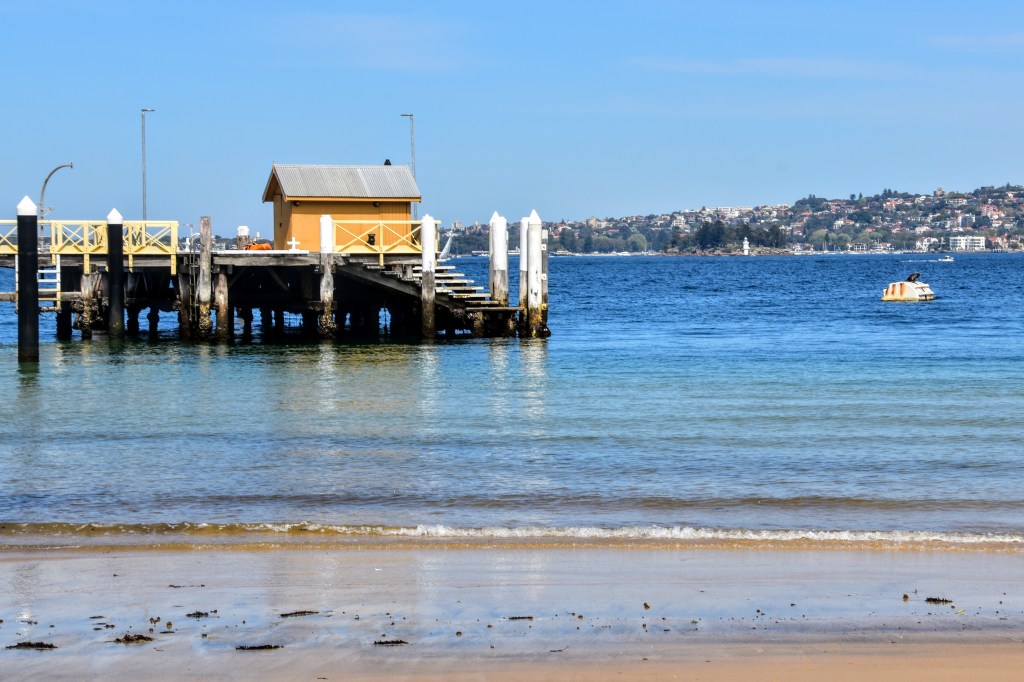
After a quick lunch, the track leads up to Gooragal Headland. This is a deep bushland, so you forget you’re only hundreds of metres from suburbia. The track heads around to Taylor’s Bay, skirting the ridgeline above the shore. For a while, we intersect with housing again, then head back into the bush towards Bradley’s Head.
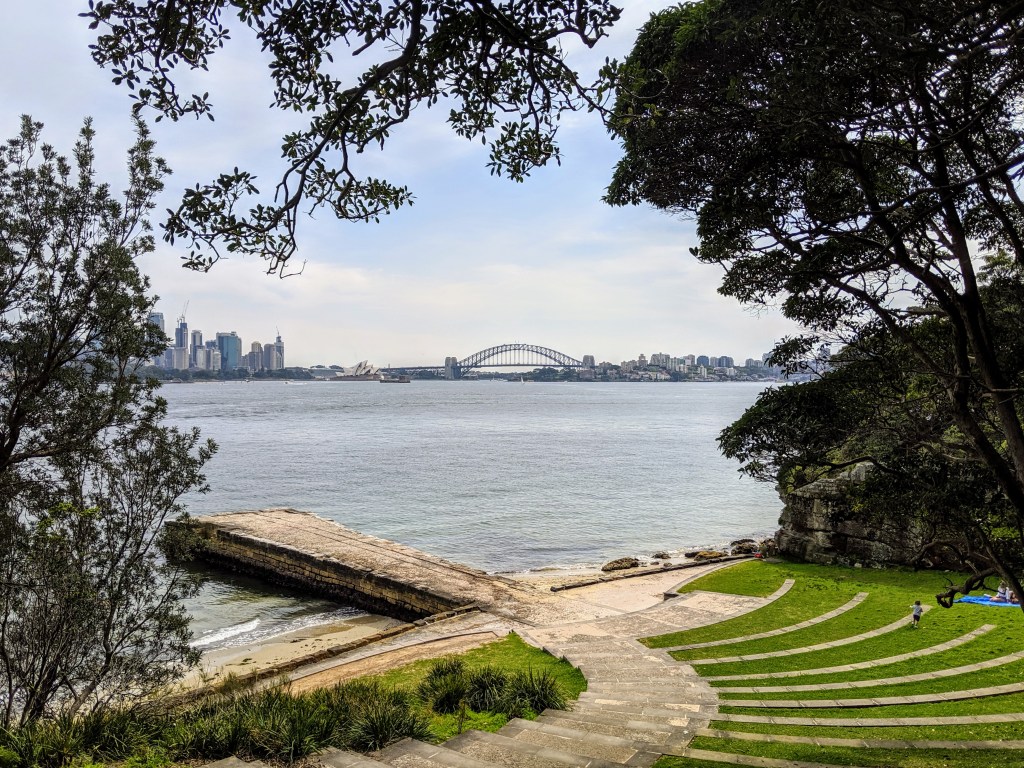
From the water, Bradley’s Head is extremely visible, the location of not only a lighthouse but also the foremast of the HMAS Sydney which acts as a memorial for the many Australian ships and sailors lost at sea during war. It is both a sombre and enlightening spot, with gun-barrel views towards the Sydney Opera House and the Harbour Bridge.
From here, the track follows the shoreline past Athol Bay to Taronga Zoo and its ferry wharf, towards Sirius Cove, which has its own place in Sydney’s history. Named after one of the ships in the First Fleet, Sirius Cove was the site of Curlew Camp, a home for some great Australian artists in the late 1880s.

From Sirius Cove, I follow the local streets over the headland to Mosman Bay, another well-known but less-often-visited sanctuary. From here, there is a paved path around Cremorne Point, which is truly eye-opening.
Cremorne is well-populated, and it’s not cheap, but it is home to some classical federation and post-WWI architecture which blends into the foreshore bushland. I come across an “accidental” garden created by local residents Lex and Ruby Graham over many years – it’s a little precarious, but demands more time for inspection than I have today.

Cremorne Reserve at Robertsons Point offers 180 degree views from the Heads to the city, and is worth spending some time at. The locals watch the sunset there, no doubt the sunrise is equally impressive.
Heading back into the next bay, there is a saltwater pool and lots of ugly apartment buildings with extraordinary views – such a Sydney paradox. But it is pretty and calming as I walk around the shoreline, then use the streets to cross Kurraba Point, passing by Nutcote, the home of May Gibbs. Nutcote is only open at set times, so I plan to go back to learn more about how Snugglepot and Cuddlepie came to life.
We’re right back in suburbia now, but there are some interesting sidelights. The path from the streets drops down into Anderson Park on the “real” Neutral Bay – where many of the Sydney Harbour cruise boats moor, and once the home of submarine base HMAS Platypus.
From here, the sandstone wall-lined streets snake upwards into Kirribilli. Like so many parts of this walk, Kirribilli is characterised by small heritage houses, most of which have been upgraded and moved beyond the expectations of the average mortgage-holder. But they look great.
At the top of the hill is the Kirribilli Hotel, where they serve a wide selection of beers on tap. Just what you need after +20kms walking on the Emerald Edge.
 On The Emerald Edge
Leave a comment